Table of Contents
The answer to this inquiry is often a lot more challenging than the individual asking may understand. AdvertisementCleveland Center is a charitable scholastic clinical. Advertising and marketing on our website assists support our objective.
And while that makes these problems sound extremely various, they are more intertwined than they might appear., offers us a summary of what anxiousness and anxiety are, just how they show up in various methods, just how they can be related and how to tell the difference in between the 2.

Stressing over circumstances or outcomes. Indecision. Fear. Failure to unwind. Sensations of restlessness. Trouble concentrating or physical agitation. In enhancement, there's a wide variety of physical signs and symptoms that can accompany stress and anxiety, consisting of: Muscle mass tension. Chest rigidity. Really feeling conveniently exhausted or tired. Heart palpitations. Lack of breath. A prolonged state of stress and anxiety, which constantly causes your fight-or-flight reaction, can have significant consequences on your wellness.
Processing Chronic Depression With Professional Counseling
Jacobs states it's so essential to seek therapy if you're experiencing these symptoms. A depression medical diagnosis goes much past just having cries. The big difference in between unhappiness and professional depression is that, with sadness, the symptoms are not virtually as extreme or consistent. To put it simply, they don't disrupt your capability to work on a daily basis when you're just sad or having a bad day.
Trademark indications of anxiety include: Feelings of despair and hopelessness. Really feeling like small jobs take extra initiative. Stress and anxiety and depression are both common mental health conditions that can influence your ability to go concerning your everyday tasks and live your life totally.
Your First Session in Counseling for Depression and Anxiety
Both anxiety and clinical depression can trigger: Digestive system troubles. Changes in cravings or weight. Trouble sleeping. Difficulty focusing. Impatience and restlessness. If you're experiencing any one of these symptoms, it is very important to allow a health care service provider know. If you're experiencing adjustments in your state of mind and you're attempting to iron out whether it may be clinical depression or anxiety or both take notice of your energy degree and your attitude toward the future.
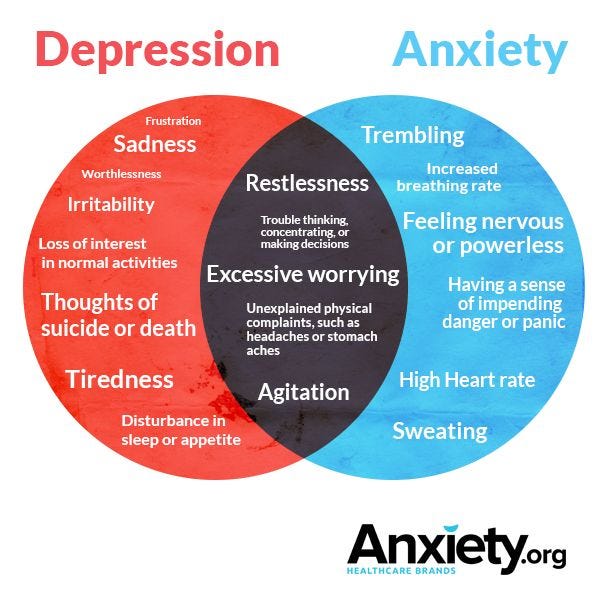
Meanwhile, anxiousness can trigger you to feel high-strung and invigorated, usually sustained by racing thoughts and worry. One more large difference between anxiety and depression also is available in the therapy of each condition. It is very important to talk to your specialist, psychiatrist or doctor to see to it you're getting the appropriate therapy.
Your Journey Through With Relational Life Therapy for Mental Health
According to the Anxiousness & Depression Association of America, nearly fifty percent of people that are diagnosed with anxiety are also diagnosed with anxiousness. In numerous situations, one may have triggered the other."It's nearly like we're attempting to figure out the hen and the egg. We're trying to identify which one occurred initially, and after that if one created the various other," describes Dr.
When this occurs, you can additionally be at higher danger for self-harm. In this situation, intensive treatment can be very practical for handling depression gone along with by distressed distress, so it is very important to reach out for help. Whether they occur together or individually, anxiety and anxiousness are both treatable. Most individuals gain from psychotherapy (talk therapy), cognitive behavior modification (CBT), medication or a combination.
Generally about 1 out of every 6 grownups will certainly have anxiety at some time in their life. Anxiety affects about 16 million American grownups every year. Anyone can get clinically depressed, and depression can occur at any kind of age and in any kind of type of person. Lots of people that experience clinical depression additionally have other psychological health and wellness conditions.1,5 Anxiety conditions usually work together with depression. These feelings can disrupt day-to-day activities and might last for a long time. Anxiety and depression are commonly referred to together, however they are not the same. Anxiousness is characterized by persistent anxiety, anxiousness, and stress over future events. It triggers the body's fight-or-flight feedback, resulting in restlessness, a racing heart, and difficulty focusing. On the other hand, clinical depression is noted by a relentless feeling of sadness, pessimism, and absence of motivation. Roughly 40 million grownups in the United States fight with anxiousness, and more than 16 million adults deal with clinical depression. Anxiousness and depression are two of one of the most usual mental health difficulties individuals in the united state(and throughout the globe )face. There's still a whole lot of confusion surrounding these 2 problems. If you're battling with depression, you may experience a loss of rate of interest in tasks you as soon as delighted in, and you may struggle to accomplish standard activities of everyday living because your state of mind and power degrees are so reduced. The most popular type of clinical depression is referred to as significant depressive disorder. Along with major depressive problem, there are a few various other kinds of clinical depression of which to be aware, including these: In those with persistent depressive condition, signs and symptoms last for at the very least 2 years with little to no relief. Likewise understood as manic clinical depression, bipolar illness is defined by periods of mania( exceptionally high energy, limited sleep, unreasonable habits, and so on)followed by durations of anxiety(very reduced energy, excessive rest, sensations of self-loathing, etc). You can experience signs of anxiety and depression at the exact same time. Panic problem and other kinds of anxiousness conditions are commonly come with by major depressive disorder. A recent around the world study additionally revealed that, of those who experienced significant anxiety for year, 41.6 percent of them likewise took care of several anxiousness problems throughout the very same period. Among the vital differences in between anxiety and depression, however, is the distinction inthe way individuals move. Those with anxiety have a tendency to move extra gradually, whereas those with stress and anxiety might be upset and existing jerky movements or thrill around to try and relax their nervous sensations. Anxiety and clinical depression likewise vary when it comes to thought patterns. If you're unclear which emotion you're truly feeling, comprehending emotional triggers can supply clarity and understanding into exactly how your body and mind respond. Anxiousness and depression, like lots of other mental wellness problems, do not commonly have one straight reason. Nevertheless, the following are some possible reasons why you may create either or both of these ailments: Traumatic life experiences Medical conditions( heart disease, diabetes, hyperthyroidism, cranky digestive tract disorder)Medication or alcohol abuse or withdrawal Drug side impacts Abuse Unfortunate occasions Social seclusion Medicine or alcohol misuse Medicine adverse effects Abuse of drugs or alcohol can create signs of depression and anxiety in certain people. There are likewise resemblances in between depression and anxiety when it involves traumatic life events, misuse being an usual cause. A single person might be more vulnerable to anxiety after going with a challenging event, whereas others may be more probable to establish stress and anxiety symptoms, and some may establish signs and symptoms of both conditions. Any person can create anxiousness or clinical depression, however mental health problems may be more probable to take place in particular populations. If you fall under any of the categories gone over below, you might be more vulnerable to stress and anxiety or clinical depression(or both)compared to others: Women are extra likely to be detected with anxiousness problems compared to men. Older people are most likely to be diagnosed with anxiety contrasted to younger individuals. Terrible occasions might make you a lot more vulnerable to depression than those who have not experienced severe trauma. Those who have a hard time with various other psychological wellness conditions, including anxiousness, may also create clinical depression. If various other people in your family members have been identified with clinical depression, you may be more most likely to be detected. They may likewise suggest anti-anxiety medications like buspirone, in addition to medications like benzodiazepines, which are meant to be used for temporary relief during severe episodes of anxiety.

Table of Contents
Latest Posts
Mindfulness to Address Generational Patterns
Eye Movement Desensitization for Generational Trauma
Therapeutic Value of Blended Approaches incorporating EMDR, Brainspotting, and DBT for Deep Transformation
Navigation
Latest Posts
Mindfulness to Address Generational Patterns
Eye Movement Desensitization for Generational Trauma
Therapeutic Value of Blended Approaches incorporating EMDR, Brainspotting, and DBT for Deep Transformation